
It is Day 3 or Day 4 of your Istanbul adventure. You are standing in the shadow of the magnificent Hagia Sophia or navigating the labyrinth of the Grand Bazaar. Your camera roll is bursting with hundreds of incredible photos, and your mind is filled with centuries of history. But let’s be honest: your feet are throbbing, your lower back feels stiff as a board, and your internal battery is flashing red. You love this city, but the initial adrenaline has worn off, and the sheer physical effort of exploring is catching up with you. If you don’t find a way to refresh your energy in Istanbul right now, you risk spending the second half of your dream vacation dragging your feet.
This is the classic “Mid-Week Crisis.” Most travelers try to solve it by retreating to their hotel room for a nap, only to wake up groggy and wasting precious vacation hours. At Anatolia Hamam, we offer a smarter, more effective alternative. We are the ultimate “Pit Stop” for the weary traveler. Instead of crashing, let us help you hit the reset button so you don’t spend the rest of your trip wandering around like a sightseeing zombie.
The “Mid-Trip Slump”: Why Do You Feel So Tired?
Travel burnout is not a sign of weakness; it is a physiological reality. You are likely walking 15,000 to 20,000 steps a day, eating different foods, and processing a constant stream of new sensory information. The excitement carries you through the first 48 hours, but eventually, the cortisol spikes drop, and the exhaustion hits like a wave.
This is the moment where a travel burnout cure becomes essential. You find yourself staring at a breathtaking mosaic but thinking only about sitting down. You might even consider skipping that Bosphorus cruise just to lie in bed. This slump is dangerous because it threatens to rob you of the joy of discovery. It is the body’s way of demanding a break, but that break needs to be restorative, not just passive.
Why Your Body Crashes on Day 3? (The Science of Walking)
Istanbul is legendary for its beauty, but it is notorious for its geography. Known as the “City on Seven Hills,” it is a vertical challenge. Every major attraction seems to be at the top of a slope. Furthermore, the historic peninsula is paved with charming, yet unforgiving, cobblestones.
These uneven surfaces force the small stabilizer muscles in your ankles, calves, and hips to work overtime with every step. By the third day, these micro-movements accumulate into deep-set muscle fatigue. Your fascia—the connective tissue wrapping your muscles—tightens up, restricting blood flow and causing that heavy “lead leg” sensation. Seeking mid-trip relaxation isn’t a luxury; it’s a maintenance requirement for your body to handle the terrain.
Museum Fatigue is Real
It is not just physical; it is mental. There is a documented phenomenon known as “museum fatigue.” After hours of reading placards, deciphering dates, and trying to understand the complex history of the Byzantine and Ottoman empires, your brain reaches a saturation point.
This cognitive overload manifests as physical tiredness. You stop absorbing information and start glazing over. An Anatolia Hamam spa day (even just a couple of hours) acts as a sensory deprivation tank. By removing the visual clutter and replacing it with the simple, calming aesthetics of marble and water, you provide a necessary mental reset for travelers.
The Anatolia Solution: How to Reboot Your System
Located right in the heart of the action, Anatolia Hamam is designed to be your sanctuary. We are not just a place to wash; we are a strategic recovery center. Think of us as a charging station for humans.
When you step off the busy streets and into our cool, quiet Camekan (reception hall), the noise of the city instantly fades. We replace the honking of taxis and the bustle of crowds with the soothing sound of running water and the scent of clean soap. This immediate shift in atmosphere signals to your nervous system that the “fight or flight” mode of navigating a foreign city can finally be switched off. We are arguably the best place to relax in Istanbul because we combine history with high-performance recovery.
The Ritual: Turning Exhaustion into Exhilaration
So, how exactly do we turn a tired tourist back into an enthusiastic explorer? The secret lies in the sequence of the Turkish bath ritual.
- The Melt (Heat Therapy): You begin by lying on the central warm stone. The heat penetrates deep into your sore quadriceps and calves. It forces your tight muscles to relax and let go of the tension accumulated from climbing the Galata Tower.
- The Scrub (The Reset): Once your skin is soft, the Tellak performs the exfoliation. This is where the lethargy is physically scrubbed away. The increase in blood circulation wakes you up more effectively than a double espresso.
- The Foam (The Comfort): Being covered in bubbles is the ultimate comfort. It soothes the nervous system, washing away the stress of bargaining in the bazaar or navigating the tram system.
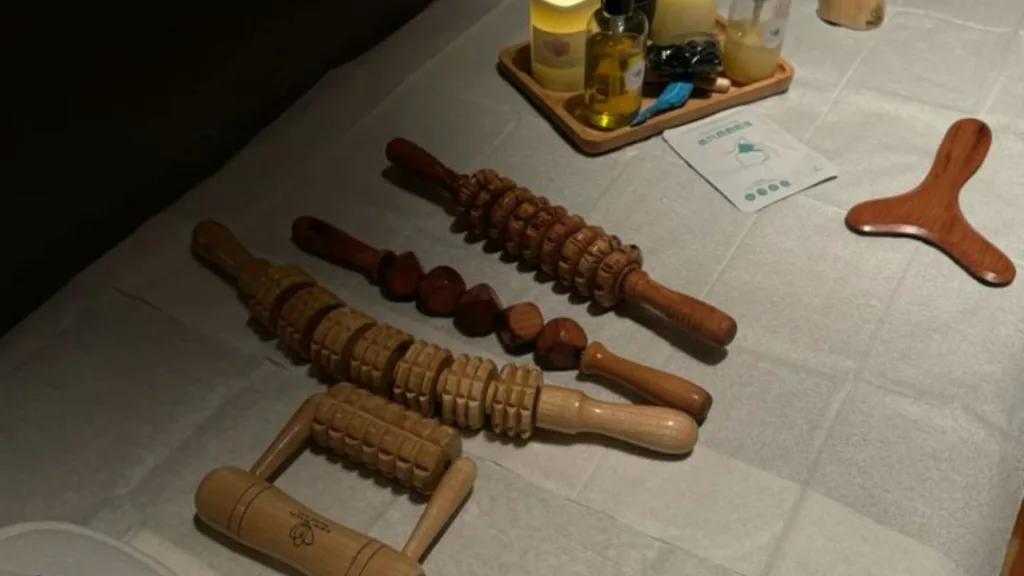
- The Massage (The Repair): A targeted oil massage focuses on the feet and legs, draining the fluid retention that happens after days of walking.
This Turkish bath recharge creates a paradoxical effect: you feel deeply relaxed, yet surprisingly energized and light.
Sleep vs. Steam: Why Hamam is Better Than a Nap?
Many travelers debate whether to sleep or spa. While a nap seems tempting, it often leads to sleep inertia—that groggy feeling where you wake up feeling worse than before. Active recovery through heat and massage flushes toxins and boosts oxygen flow, offering a far superior result.
Here is why you should choose the marble over the mattress:
Hotel Nap vs. Anatolia Hamam Ritual
| Comparison Factor | Taking a Nap in Hotel Room | Anatolia Hamam Ritual |
| Physical Effect | Muscles remain stiff and cold | Heat loosens and repairs muscles |
| Circulation | Slows down (stagnant blood) | Overcoming sightseeing fatigue via boosted flow |
| Mental State | Groggy and disoriented upon waking | Alert, clear-headed, and refreshed |
| Recovery Time | 2-3 hours wasted sleeping | 60-90 minutes of active therapy |
| Post-Activity | Hard to sleep at night (Jet lag risk) | Better sleep quality at night |
| Memory Made | Staring at a hotel ceiling | A cultural highlight of your trip |
Strategic Scheduling: When is the Best Time to Visit?
You don’t need to sacrifice a whole day of sightseeing to get these benefits. Strategic timing is key.
- The “Gap” Filler (4:00 PM – 6:00 PM): This is the golden hour for a hamam visit. Museums usually close around 5:00 or 6:00 PM, and dinner isn’t until 8:00 PM. Instead of awkwardly waiting in your hotel, come to Anatolia Hamam. You wash off the day’s dust and emerge fresh for a lovely Bosphorus dinner.
- The Mid-Day Rescue (1:00 PM – 2:00 PM): If the sun is too hot or the crowds are too thick, take a break in the middle of the day. It splits your day into two manageable halves, giving you a “second wind” for the afternoon.
Don’t let exhaustion dictate your itinerary. Take control of your energy levels. A visit to Anatolia Hamam isn’t just pampering; it’s a strategic investment in the quality of your remaining vacation days.